Monarch Butterfly
The monarch butterfly is a truly unique animal. It is the only insect that carries out a migration of this magnitude.
discover more
The monarch butterfly is a truly unique animal. It is the only insect that carries out a migration of this magnitude.
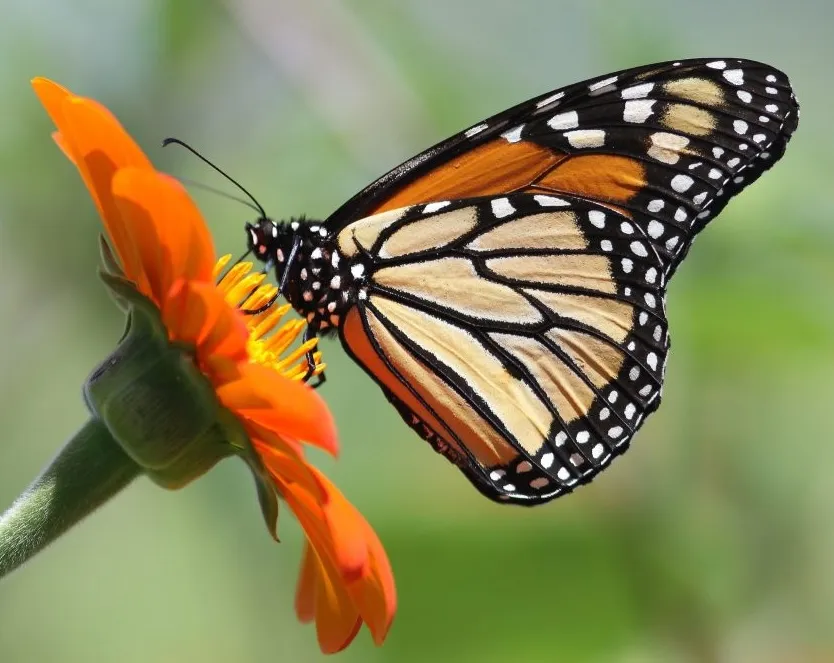
Their bright colors are used as a deterrent, since predators believe they are poisonous.
In their adult stage, monarch butterflies feed mainly on the nectar of various flowers, such as sunflowers, lilies, thistles, and daisies.
They have a metamorphosis period of between 9 and 15 days. Monarchs can lay up to 400 eggs throughout their lifetime.
Their bright colors are used as a deterrent, since predators believe they are poisonous.
In their adult stage, monarch butterflies feed mainly on the nectar of various flowers, such as sunflowers, lilies, thistles, and daisies.
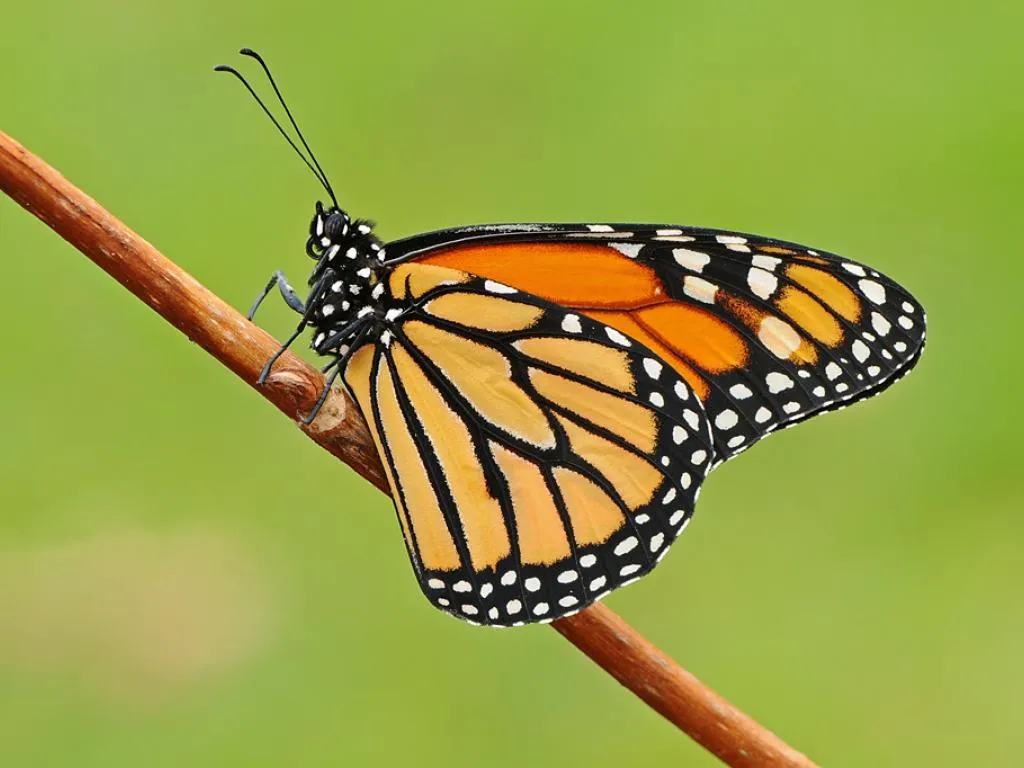
They have a metamorphosis period of between 9 and 15 days. Monarchs can lay up to 400 eggs throughout their lifetime.
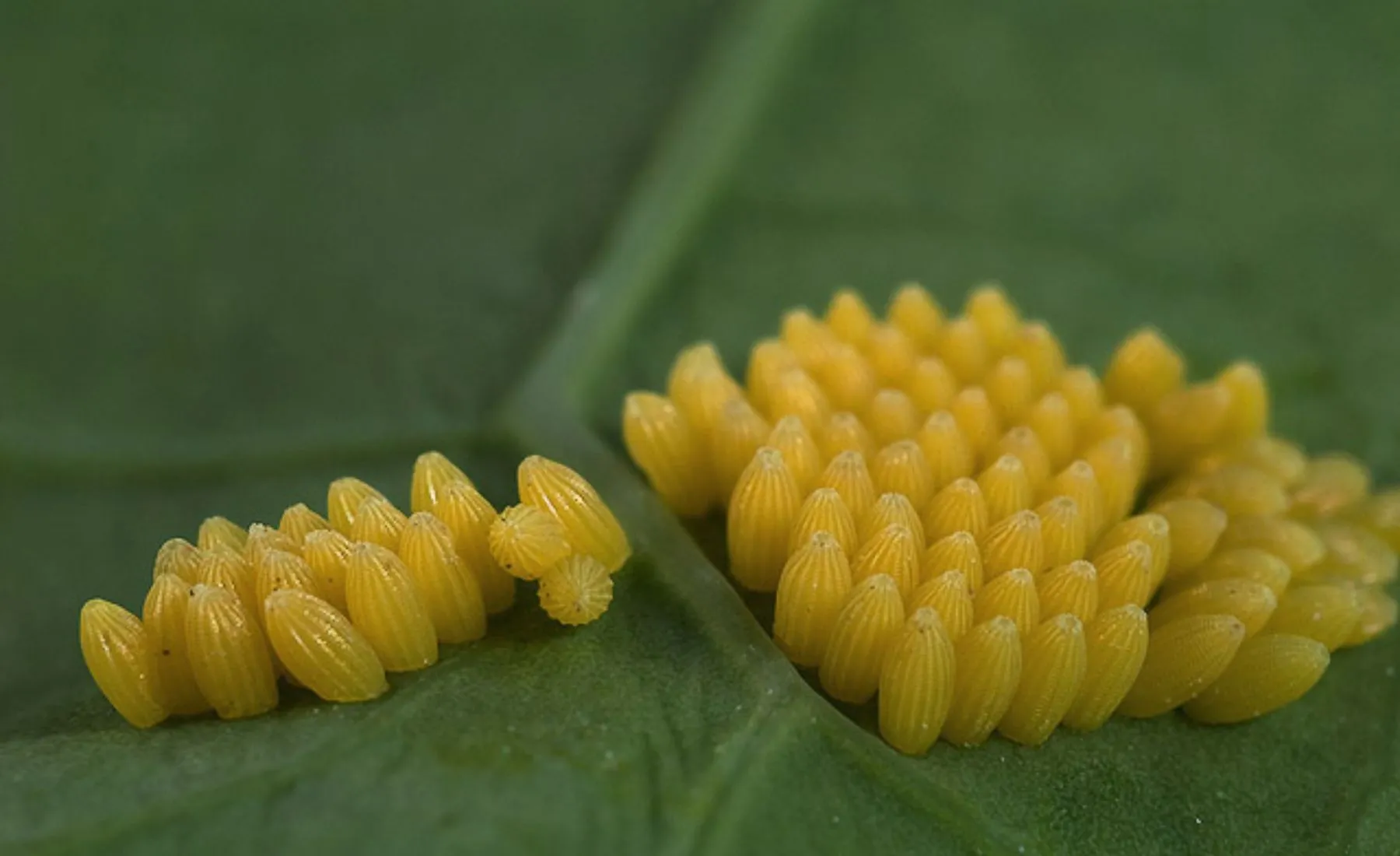
After mating, the female butterfly lays her eggs on the underside of milkweed plants. Once she lays the eggs, the monarch dies. These eggs take 4–8 days to hatch.
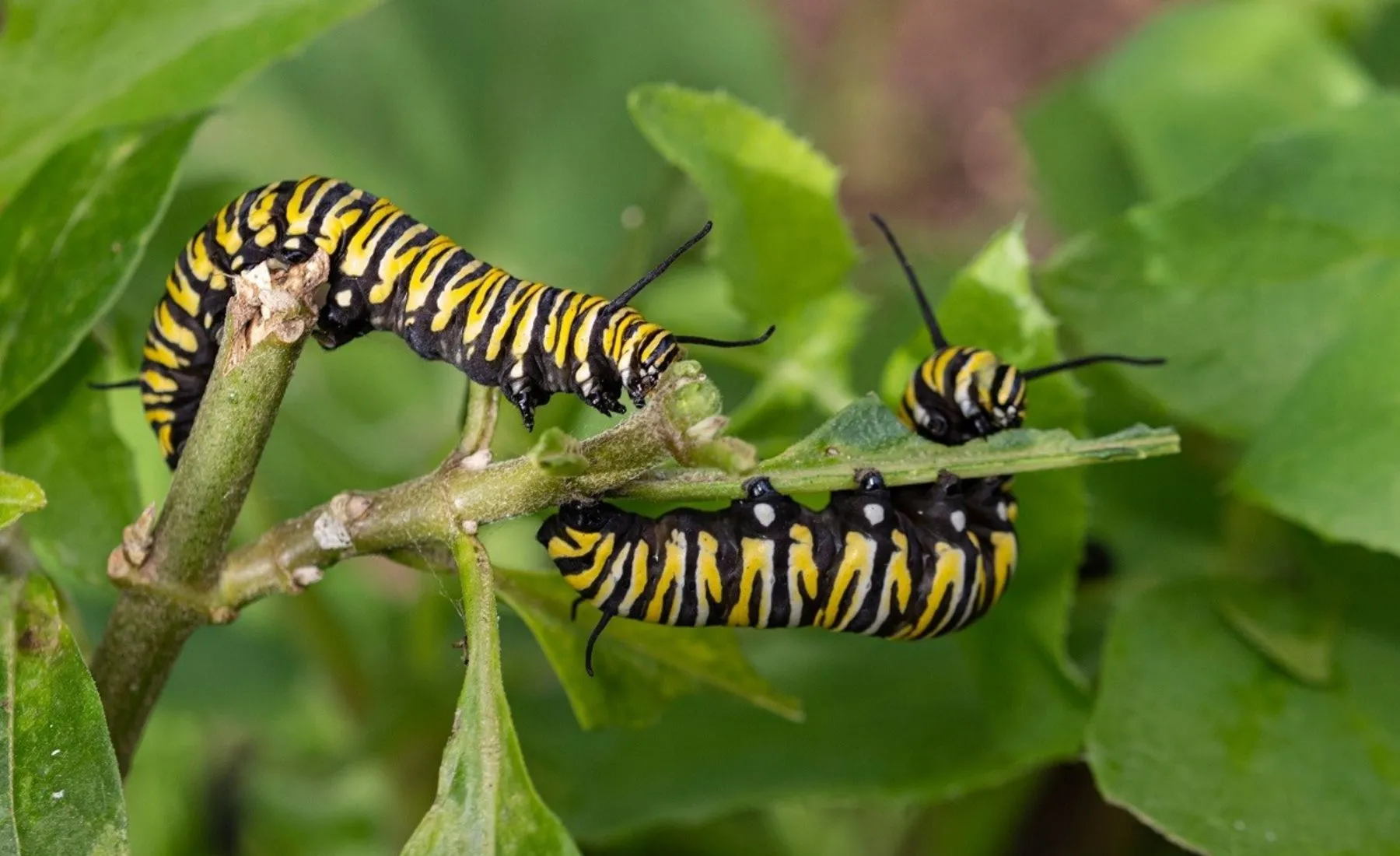
When the caterpillars are born, they eat their eggshell and feed on milkweed. After 1 to 2 weeks, the caterpillar forms its chrysalis.
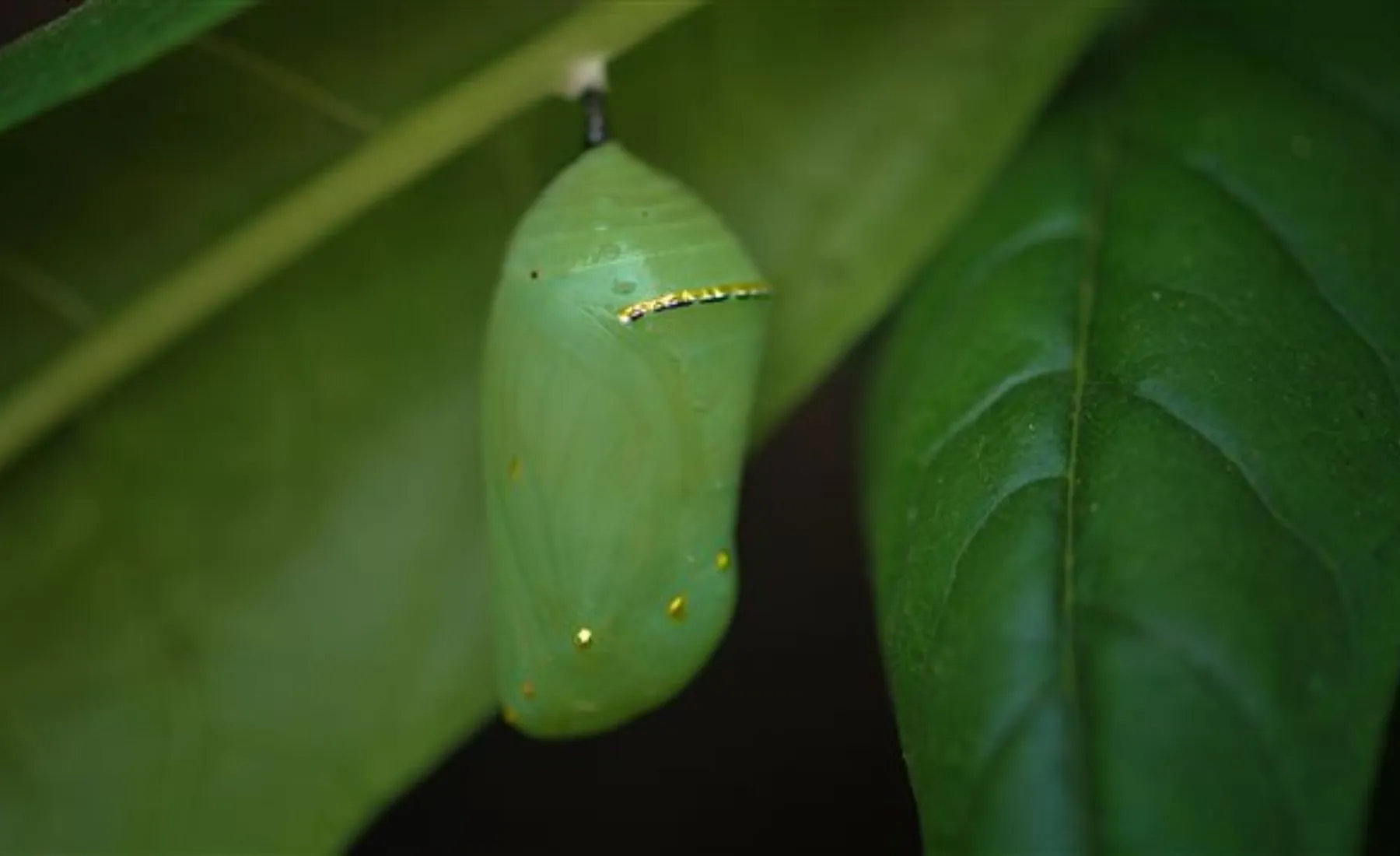
The chrysalis or pupa stage lasts from 8 to 15 days. While inside the chrysalis, the caterpillar transforms into a butterfly.
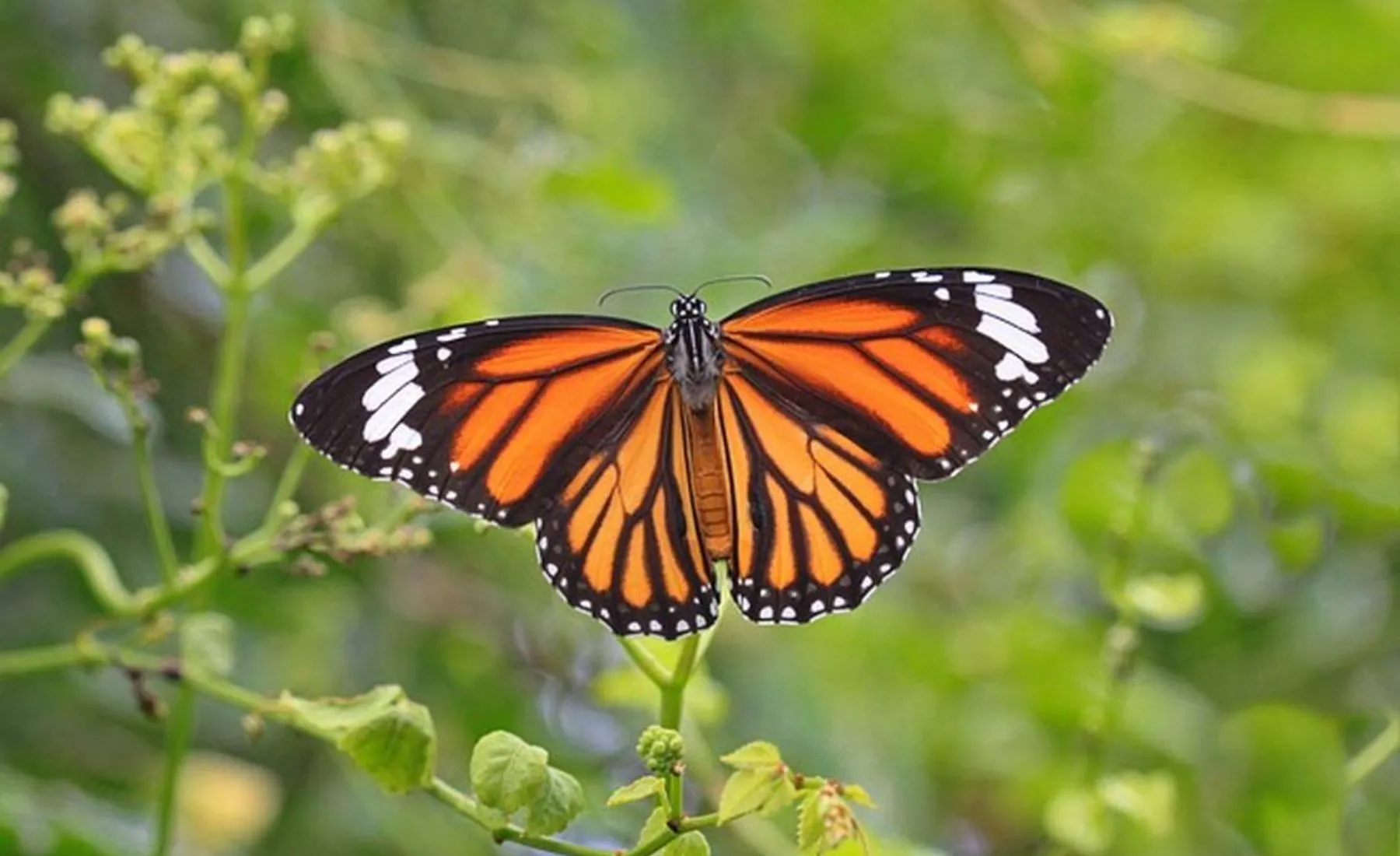
The butterfly emerges from the chrysalis. Non-migratory generations live 3–6 weeks, while migrating butterflies live between 8–9 months. Butterflies reach sexual maturity and mate.